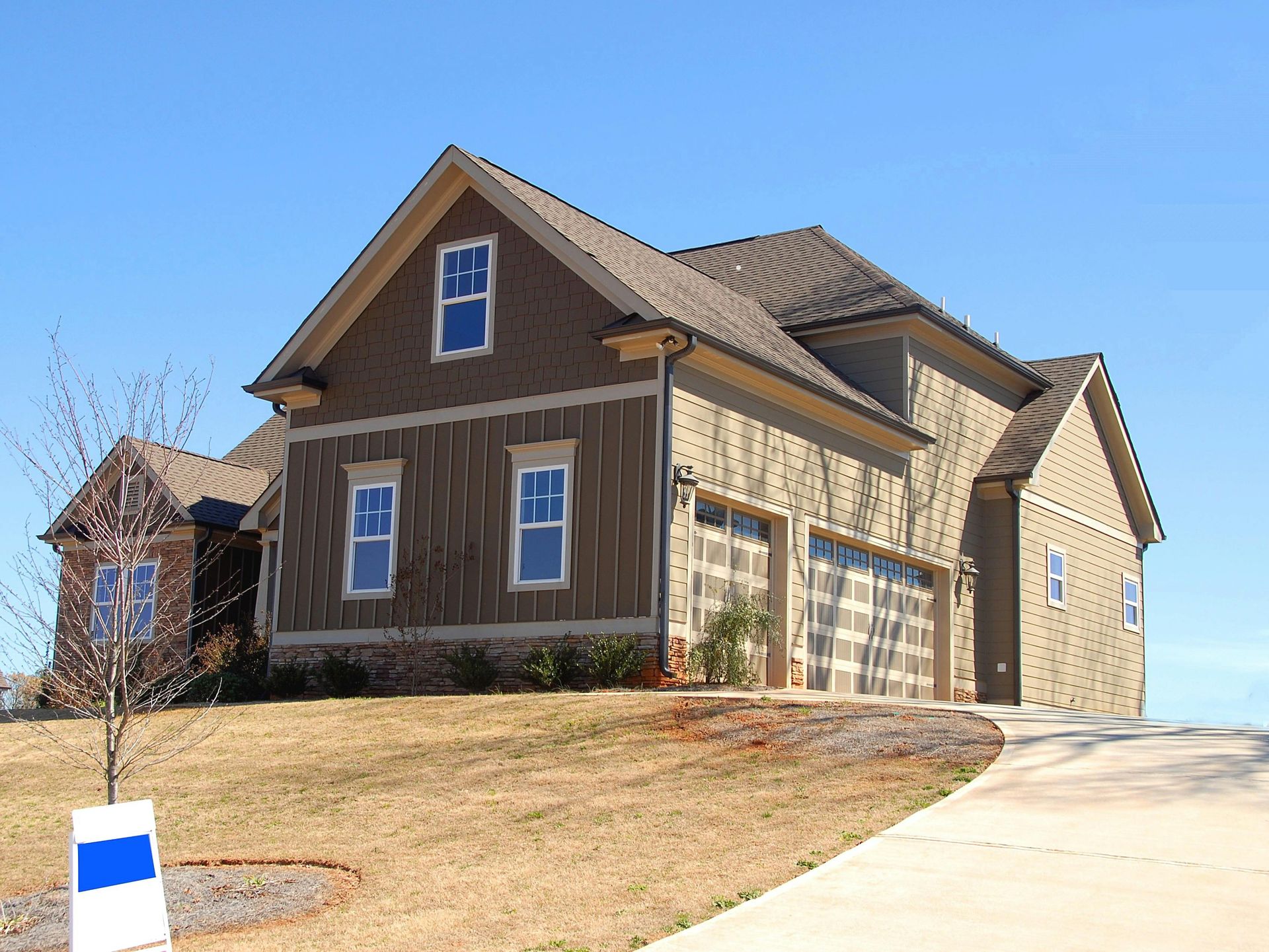
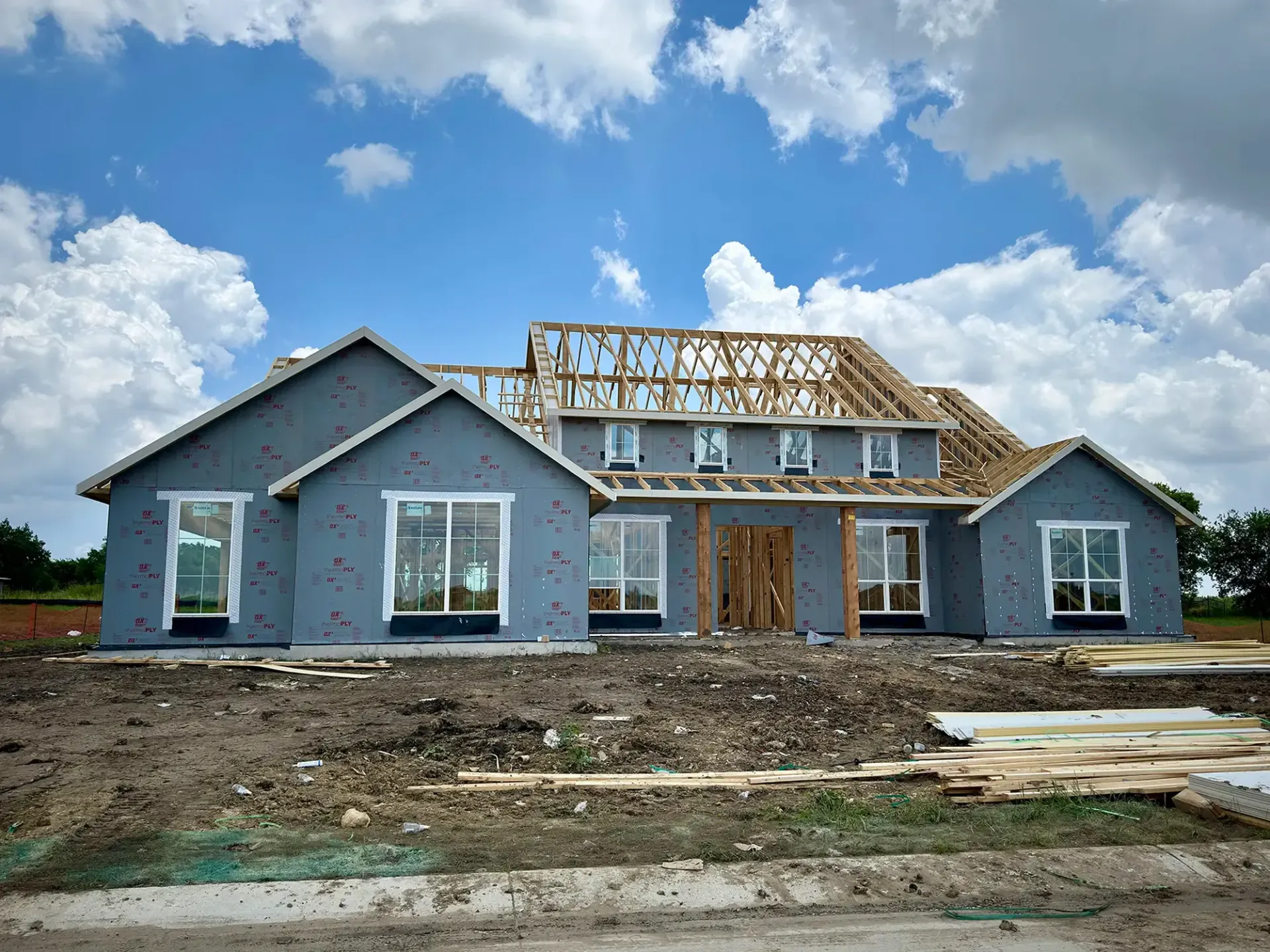
The path to homeownership is an exciting journey, but it requires a clear roadmap to ensure you don’t lose your way between the initial dream and the final handshake. It all begins with a vision; you must first define what your dream home looks like, identifying the specific features that will make a house feel like your own. Once that vision is set, it is time to ground it in financial reality by determining your price range. This involves more than just looking at a mortgage payment; a savvy buyer accounts for the "hidden" costs of ownership, such as homeowner’s insurance, utilities, and even trash pickup or HOA fees.
1. Describe your dream home
What features are important to you in your new home? Start by making a list.
2. Determine your price range
When you list all your monthly bills, how much of your monthly pay is left over for your mortgage? Don’t forget to include all bills that may be associated with your new home, such as homeowner's insurance, water/sewage & utilities, cable, trash pickup, security system monitoring, and homeowner association fees.
With a budget in mind, your next move is to build your professional team. This starts with selecting a
Realtor whose expertise in neighborhood trends and legal contracts—like the purchase agreement—will be your greatest asset during negotiations. Simultaneously, you should enlist lender who offers a loan program and interest rate that fits your lifestyle.
3. Enlist the help of a Realtor to find your home
For the average home-seeker, it is advisable to gain assistance from a real estate professional. Their services are invaluable in finding the right home and neighborhood, and in negotiating with the seller and preparing the appropriate legal contracts, including the purchase agreement.
4. Select a Lender for your home loan
Various lenders can offer a range of loan programs and interest rates. It is important to shop around for the one that suits you best – and also to find a loan officer or mortgage broker with whom you are comfortable.
Before you start touring homes in earnest, secure a pre-approval letter from your lender. This document is your "ticket" to a serious deal, as most sellers require it before entering into a contract.
5. Obtain a pre-approval letter from your Lender
When you have selected a mortgage product and a loan officer or broker, s/he will work with you to get your information in order for pre-approval. Most home sellers will want to know that you are pre-approved for your loan before they will enter into a serious contract with you.
6. Make an offer
You’ve found the perfect home... you’ve been pre-approved for the right mortgage... You’re ready to make an offer. This offer must be made in writing – the appropriate form can be completed by your Realtor, or provided by the local bar association or Board of Realtors.
When you finally find the perfect property, the process moves into the legal and physical evaluation phase. You will submit a written offer and, once accepted, provide earnest money to show the seller you are committed to the purchase.
7. Pay earnest money
Once the contract is finalized, there will generally be a requirement to present a sum to the seller as an indication that you are serious about purchasing the home (pending inspection).
This is followed by the critical step of a property inspection, where a professional examines the foundation and systems of the house.
8. Property inspection
After the offer is accepted and prior to closing, you will need to enlist the services of a home inspector to assure that the house’s structure, systems and foundation are as they should be. Repair of problems that may be unearthed at this time can be added into your purchase contract or, in some cases, may be legal cause to exit the contract. It is highly advisable to attend the inspection – you can learn a lot about your new home from the inspector at this time.
9. Obtain homeowner's insurance
Most lenders will require that you show proof of homeowner's insurance on your new property before they can finalize the loan. You will most likely need to present payment for the first year of insurance at your closing, along with your down-payment and closing fees.
Finally, after securing homeowner's insurance and finalizing your loan details, you will arrive at the closing. Whether held at a
Title Trust office or your realtor's, this is where you sign the final documents, a process designed to be comfortable and transparent for you.
10. Close on the property
Before your new home is all yours, you must sign all appropriate documentation at your closing.